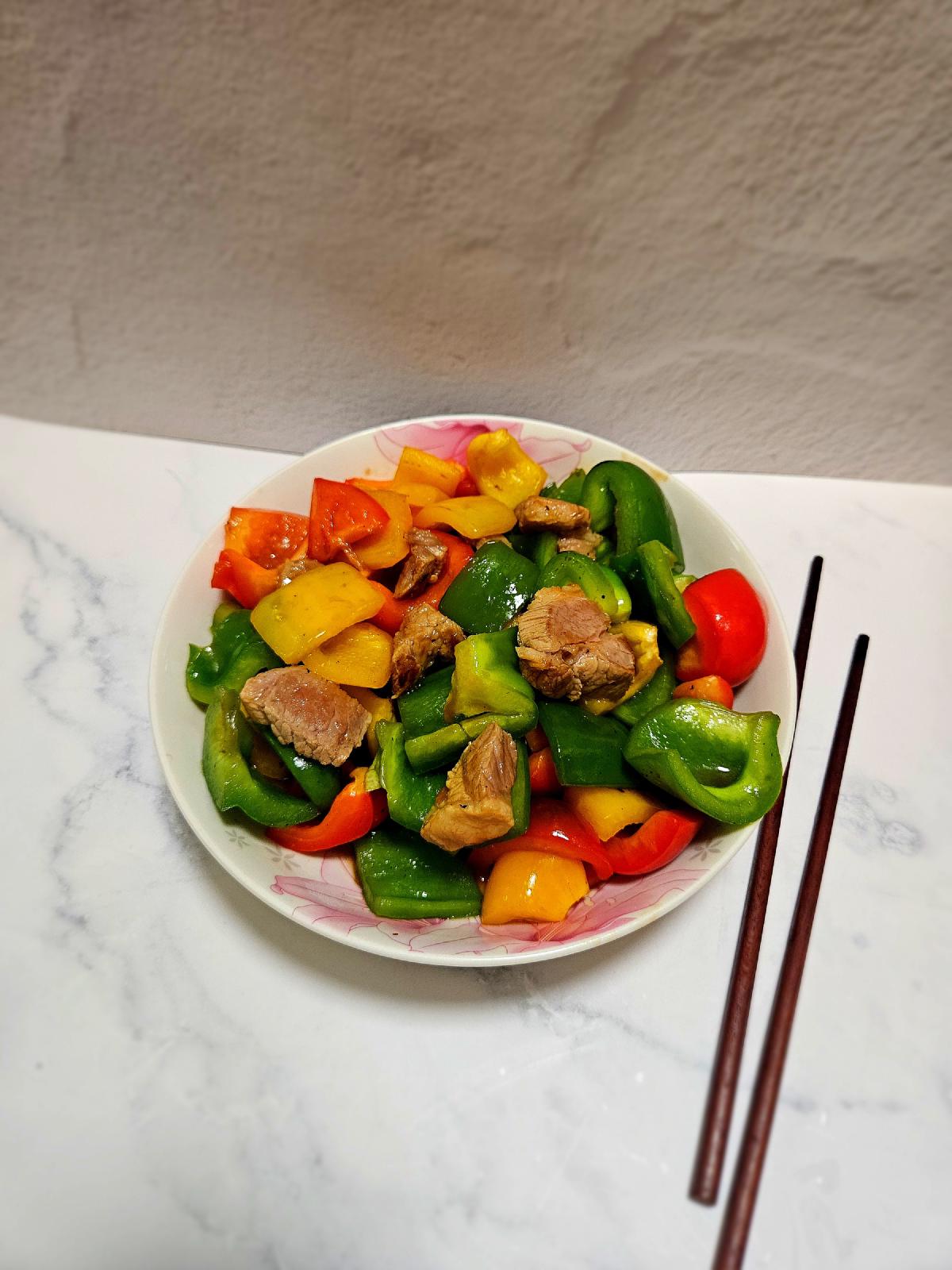

If you’re looking for a vegatable dish that’s faster than takeout but tastes 100x better, you’ve come to the right place. This Stir Fry Bell Pepper with Pork is a classic in Asian home cooking. It’s vibrant, colorful, and ridiculously easy to pull off, even on a busy Tuesday night.
This is a dish that’s bursting with flavor, texture, and nutrition. I usually cook this for dinner and save some for my lunchbox the next day. This dish is perfect for adding fiber to your weekly meal prep.

Why You’ll Love This Recipe#
- Fast & Easy: From start to finish in under 20 minutes. Perfect for weekday meals.
- One Wok, Minimal Mess: Fewer dishes = less cleanup. My favorite kind of cooking.
- Packed with Color and Nutrition: Different colored peppers bring different vitamins and a range of sweetness.
- Perfect Every Time: No fancy skills required. Just high heat, good ingredients, and a few simple steps.
- Customizable Texture: You control the crunch. Some people love them tender, others like them snappy. Both are just as delicious.
Ingredients#

- 3 Bell Peppers (Colorful): A mix of red, yellow, and green gives the dish a stunning visual appeal and varied sweetness. Red are sweetest, green are slightly more bitter and grassy.
- 6 oz (170g) Pork (Loin or Shoulder): You can use any cut you like. Adding meat to veggies makes them taste so much better—the pork fat and flavor infuse the peppers. Adjust the quantity to match your appetite.
- 2 tbsp Oyster Sauce: This is the magic ingredient. It adds a deep, savory umami flavor and a beautiful glaze. Don’t skip it!
- 1/2 tsp Salt: To season the peppers and pork.
- 2 tbsp Vegetable Oil: A neutral oil with a high smoke point is best for stir-frying.
- 2 tbsp Water: Helps create a quick steam to cook the peppers to your desired tenderness.
Oyster Sauce Showdown: Look for a good quality oyster sauce (like Lee Kum Kee Premium). The real stuff is thick, dark, and has a subtle sweetness and intense flavor. Avoid the “oyster flavored” sauces, which are mostly sugar and salt.
Step-by-Step (with Photos)#
- Wash and Cut the Bell Peppers: Rinse the peppers under cold water. Cut each one in half, remove the stem, seeds, and the white pith (the pith is bitter). Cut the flesh into cubes about the size of a large coin (roughly 1–1.5 inches). Uniform sizes ensure even cooking.

- Slice the Pork: Cut the pork into thin, bite-sized pieces, slicing against the grain (this makes the meat more tender). Sprinkle lightly with a pinch of salt.

- Sear the Pork: Heat 1 tablespoon of oil in a wok over high heat until it shimmers and you see a wisp of smoke. Add the sliced pork. Stir-fry quickly until the surface is just cooked and lightly browned (it doesn’t need to be fully done). Remove and set aside.

Don’t use too much oil! Bell peppers are like sponges—they’ll soak up oil if you drown them. Stick to 2 tablespoons total, and your peppers will be lightly glazed, not greasy.
- Stir-fry the Peppers: Add the remaining 1 tablespoon of oil to the wok. Tumble in the bell pepper cubes. Stir-fry for 1–2 minutes over high heat. You’ll see the colors become vibrant and the edges of the peppers will start to get slight char marks.
The Science of Color Change: When you cook bell peppers, the heat breaks down the cell walls, releasing moisture and concentrating the natural sugars. This is why the peppers brighten in color and become sweeter as you cook them. The high heat of the wok also triggers the Maillard reaction, adding a subtle, savory complexity to the peppers.

- Add Salt: Sprinkle the 1/2 tsp of salt over the peppers and toss well.

- Create the Glaze and Steam: Add the oyster sauce and 2 tablespoons of water. Stir everything together to coat the peppers and pork. Then, cover the wok with a lid. Let it cook for:
- 1 minute for crunchy, snappy peppers.
- 2–3 minutes for tender, soft peppers (like many Chinese restaurants serve).

How to get more “Wok Hei” at home: Wok hei (“breath of the wok”) is that smoky, charred flavor that makes stir fries taste like they came from a professional kitchen. To get it, you need:
- High heat: Preheat your wok/pan until it’s smoking.
- Small batches: Don’t overcrowd.
- Keep it moving: Toss and stir constantly for even charring.
When adding water to the wok for steaming, make sure the amount of water is small so that it instantly boils instead of “putting out the heat”.
- Final Toss and Serve: Remove the lid. Toss everything one last time to coat evenly in the glossy sauce. Serve immediately over a bed of steamed jasmine rice.
Result#


This dish is pure comfort on a plate. The pork is tender and savory, the peppers are sweet and slightly charred, and the oyster sauce ties everything together into a glossy, crave-worthy glaze. The whole process takes less than 20 minutes, and the result tastes like you spent an hour on it.
For the best result: Serve immediately. The peppers will continue to soften from residual heat, and the sauce can become watery if left sitting. Eat it hot over rice for the perfect balance of textures.
Why This Method Works#
- High Heat + Small Batches: The intense heat of the wok sears the pork and peppers quickly, preserving their texture and preventing them from becoming soggy. This also creates the wok hei aroma.
- Controlled Steam: The lid creates a tiny steam chamber. This is the key to converting tough, crunchy raw peppers to sweet, tender ones. Without the steam, you’ll end up with dry, burnt edges.
- The Bell Pepper Sweetness Curve: As peppers cook, their cell walls break down, releasing water and concentrating their natural sugars. This is why cooked bell peppers are so much sweeter than raw ones. The longer you cook them, the sweeter they become.
- Oyster Sauce as a Flavor Amplifier: Oyster sauce contains naturally occurring glutamates (umami). This not only adds depth to the pork but makes the peppers taste more “peppery” and savory. It’s a perfect match.
Recipe#
Stir Fry Bell Pepper with Pork
Ingredients
- 3 bell peppers (a mix of red, yellow, orange, and green for color)
- 170 g pork loin or shoulder, thinly sliced (adjust quantity to preference)
- 30 ml oyster sauce
- 3 g salt, plus more for the pork
- 30 ml vegetable oil, divided
- 30 ml water
Instructions
- Wash the bell peppers, cut them in half, and remove all seeds and white pith. Cut them into cubes roughly the size of a large coin (about 1-1.5 inches).
- Slice the pork into thin, bite-sized pieces against the grain. Sprinkle lightly with a pinch of salt and set aside.
- Heat 1 tablespoon of oil in a wok or large skillet over high heat until shimmering. Add the pork and stir-fry until just cooked through on the surface – it doesn’t need to be fully done yet, just browned on the outside.
- Add the remaining 1 tablespoon of oil and the cut bell peppers. Stir-fry for 1–2 minutes until the peppers look bright and slightly charred at the edges. The color will become much more vibrant.
- Sprinkle in the 1/2 teaspoon of salt and toss to combine.
- Add the oyster sauce and the 2 tablespoons of water. Mix everything well, then cover the wok with a lid. Let it steam for 1–3 minutes, depending on how soft you like your peppers. For a crunchy texture, cook for 1 minute; for softer, tender peppers, cook for 3 minutes.
- Remove the lid, toss once more to coat the sauce evenly, and serve immediately over steamed rice.
Nutrition Facts
Servings 1 bowl (with rice)
Amount Per Serving
% Daily Value *
* Percent Daily Values are based on a 2,000 calorie diet.
Your daily value may be higher or lower depending on your calorie needs.


Storage Tips#
- In the Fridge: Store leftovers in an airtight container for up to 3 days. The peppers will soften further, but the flavor will still be great.
- Reheating: The best way to reheat is in a very hot wok or skillet over high heat for 1–2 minutes. This revives the wok hei and prevents sogginess. Avoid microwaving, which makes the peppers mushy.
- Freezing: I don’t recommend freezing this dish. The peppers will become very watery and mushy upon thawing. It’s best enjoyed fresh.
Frequently Asked Questions#
Why did my bell peppers turn out mushy?
Mushy peppers are usually caused by one of two things: either you cooked them too long, or you added too much water. The key is to use high heat and a quick steam, not a boil.
Another common issue is overcrowding the wok. If you add too many peppers at once, they will steam rather than sear. Cook in smaller batches if needed.
What is the difference between green, red, yellow, and orange bell peppers?
They are all the same fruit at different stages of maturity! Green peppers are unripe and have a slightly bitter, grassy flavor. As they ripen, they turn yellow, then orange, and finally red. Red peppers are the sweetest, most nutritious, and most expensive.
Nutritionally, red peppers have over 2x the vitamin C of green peppers and are packed with beta-carotene (which the body converts to Vitamin A).
I don't have oyster sauce. Can I substitute it?
Yes. For a similar savory (umami) flavor, you can use hoisin sauce (sweeter) or a simple mix of 1 tbsp soy sauce + 1 tsp sugar + 1/2 tsp fish sauce. If you’re vegan, look for vegetarian oyster sauce made from mushrooms, or use a dark soy sauce.
Oyster sauce gives a unique glossy glaze and deep flavor, but these alternatives will still produce a delicious dish.
Do I need a wok to get 'wok hei'?
A carbon steel wok is ideal, but it’s not strictly necessary. You can achieve a close approximation of wok hei in a large cast iron skillet or heavy stainless steel pan.
The secret is extreme heat and control. Preheat your pan for about 2 minutes on high before adding oil. Then, stir-fry quickly and in small batches. Wok hei is a combination of high heat and a lightly charred, aromatic crust on the ingredients.